Resilient Learning: Navigating Unexpected Shifts through Universal Design
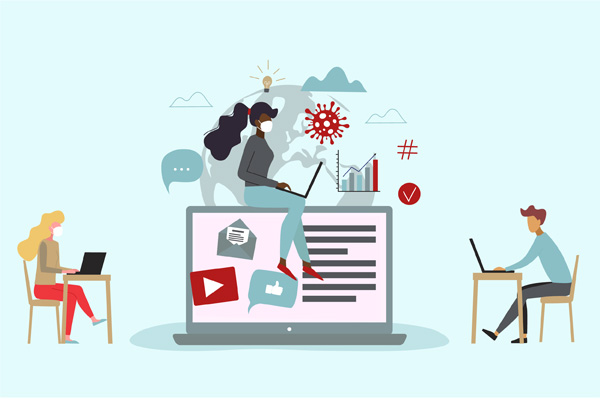
When unexpected events, like a sudden crisis, for example, a pandemic, forces students to shift entirely to home environments, learning design is put to the test. Fortunately, our learning blueprint on password storage was already designed for asynchronous delivery on WordPress. However, a sudden crisis introduces unpredictable barriers: erratic internet access, shared devices, heightened anxiety, and varying levels of independent digital literacy. Ensuring student success under these conditions requires intentionally applying inclusive practices to our specific context.
To keep learning successful without live intervention, the key is maximizing flexibility and minimizing technical friction. For example, if students face low bandwidth or data caps at home, relying solely on video delivery like our planned Computerphile resource can inherently exclude them. I would adjust our activities by ensuring every multimedia element has a lightweight, text-based alternative or a downloadable transcript. Making accessible content in this way is not just an optional add-on; it is a fundamental requirement to ensure everyone can interact with the material without disadvantage.
Furthermore, because our inquiry-based tools like CrackStation and MD5HashGenerator must now be navigated completely independently without a teacher in the room, students need immediate technical scaffolding to avoid frustration. Rather than assuming students can intuitively navigate these external interfaces during a stressful disruption, they will need targeted tool training. I would deliver this training asynchronously by embedding quick, step-by-step diagnostic checklists and low-resolution visual guides directly into the WordPress lessons.
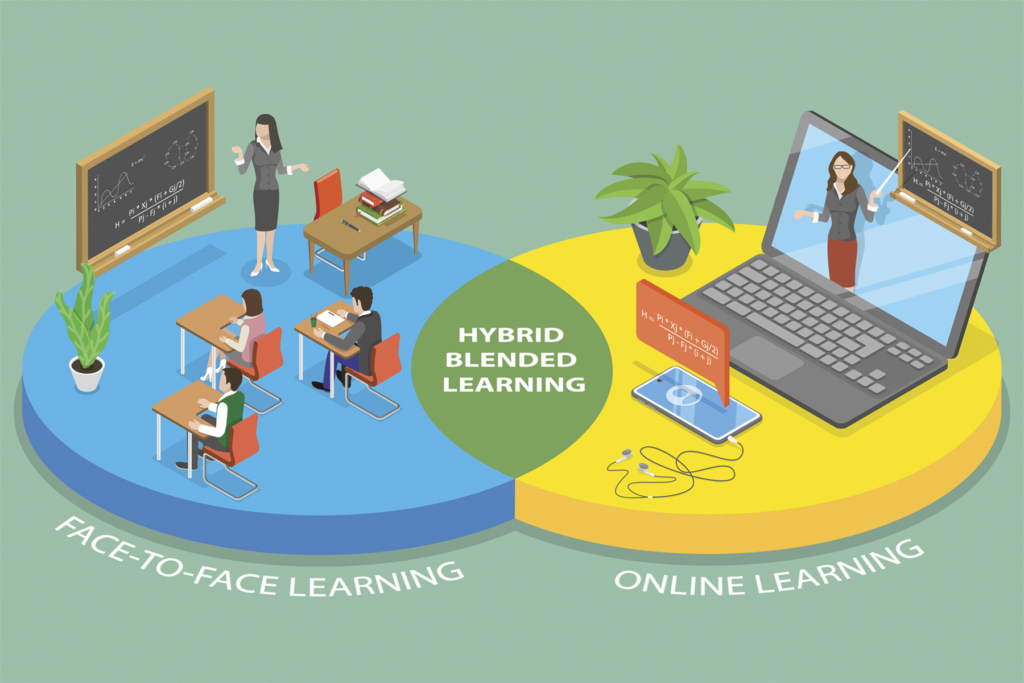
Ultimately, proactive design ensures that when an unexpected disruption occurs, the learning environment bends rather than breaks. By explicitly incorporating Universal Design for Learning (UDL) principles, we can anticipate variability in learner needs rather than retrofitting accommodations after a crisis hits. Practicing inclusive learning design means recognizing that sudden shifts to home-based learning amplify existing inequalities, making it our responsibility to remove unnecessary cognitive and technological barriers. Through the intentional creation of accessible, universally designed content, we ensure that all learners retain the opportunity to succeed, regardless of their physical learning
References
- EDCI 335. (n.d.). Inclusive learning design. Technology and Innovation in Education, University of Victoria. https://edtechuvic.ca/edci335/inclusive-learning-design/
- EDCI 335. (n.d.). Making accessible content. Technology and Innovation in Education, University of Victoria. https://edtechuvic.ca/edci335/making-accessible-content/
- EDCI 335. (n.d.). Universal design. Technology and Innovation in Education, University of Victoria.https://edtechuvic.ca/edci335/universal-design/
Recent Comments